Let's cut to the chase. The idea of the U.S. dollar collapsing isn't just a doomsday fantasy for preppers anymore. With record debt levels, geopolitical shifts, and the rise of alternative financial systems, serious investors are quietly asking the question. If the unthinkable happens—a rapid loss of purchasing power or a loss of global reserve status—where does your money go? I've spent over a decade navigating currency risks in emerging markets, and the textbook answers often miss the gritty, practical details. This isn't about fear; it's about pragmatic financial defense. The core strategy shifts from seeking yield to preserving purchasing power through tangible assets, geographic diversification, and assets with intrinsic value.
Your Action Plan at a Glance
Core Principles Before You Invest a Dime
Jumping into gold or Bitcoin because you're scared is a recipe for losses. First, understand what a "collapse" could look like. It's likely not a single event but a process—a sustained devaluation, a loss of confidence, or being replaced in international trade. Your goal isn't to get rich quick; it's to avoid getting poor quickly.
Your portfolio should aim for three things: Store of Value (holds purchasing power), Liquidity (can be exchanged when needed), and Geographic Diversification (not tied to one country's fate). Allocate a portion of your net worth—say, 10-25%—to this hedge. This is insurance, not your entire investment strategy.
Tangible Assets: Owning Things That Last
When paper loses value, people flock to real things. But not all tangible assets are equal.
Precious Metals: The Classic Hedge
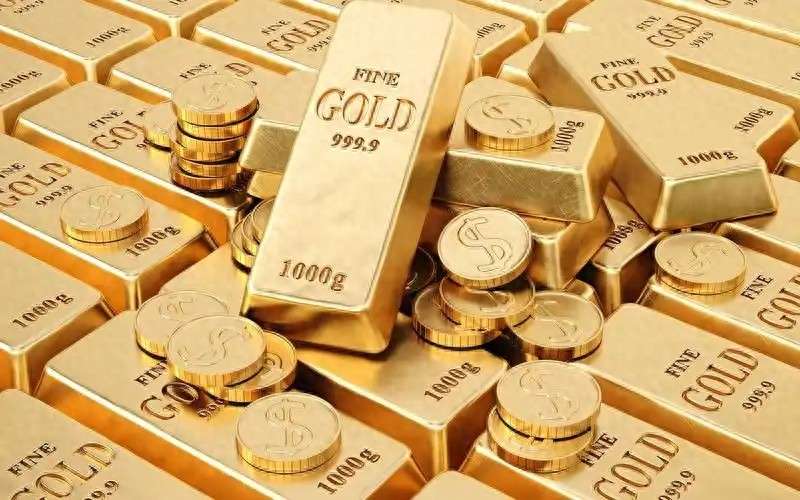
Gold and silver have been money for millennia. Gold is the ultimate store of value, but it's bulky. Silver has more industrial use, which can support its value. The big mistake? Buying only ETF shares like GLD. If the financial system seizes, you own a paper claim, not the metal. You must hold some physical metal. Store it in a secure, private location or use a reputable, non-bank vaulting service outside the banking system. Consider sovereign coins (like American Eagles or Canadian Maple Leafs) for easier recognition and liquidity.
Productive Real Estate
Land with a purpose. We're not talking about a speculative condo in Miami. Think farmland that produces food, timberland, or rental property in a stable market with strong local demand. These generate income (food, wood, rent) which itself is a currency. A report from the Food and Agriculture Organization consistently highlights the long-term value of agricultural land as a resource-based asset. The downside? It's illiquid and requires active management.
Essential Commodities
This is about storing value in things you or society fundamentally need. It's advanced prepping. Think long-shelf-life food, medical supplies, fuel, or even quality tools. Their value is hyper-local and practical. This is a deep, non-financial hedge most portfolios completely ignore.
| Asset | Key Characteristics | How to Gain Exposure | Primary Risk |
|---|---|---|---|
| Physical Gold | Ultimate store of value, globally recognized, low yield. | Buy sovereign coins from reputable dealers; secure storage. | Confiscation risk (historical), theft, low liquidity in crisis. |
| Productive Farmland | Generates essential goods (food), intrinsic value. | Direct purchase, farmland REITs (e.g., FPI, LAND). | Illiquidity, management overhead, climate risk. |
| Strategic Commodities | Practical utility, barter potential. | Direct purchase and storage. | Storage costs, perishability, no financial return. |
Foreign Currencies & Offshore Assets
Diversifying where your assets live is as important as what they are.
Strong Foreign Currencies & Bank Accounts
Holding Swiss Francs (CHF), Singapore Dollars (SGD), or Norwegian Krone (NOK) in a bank account in that country spreads your risk. These nations have strong balance sheets and stable politics. Opening an account can be bureaucratic but is straightforward for most. This gives you direct liquidity in a sound currency. Don't just buy the forex pair in your U.S. brokerage; that's still within the U.S. system.
Global Stocks & Bonds
Invest in companies that earn revenue in strong currencies or are based in fiscally responsible countries. A Swiss pharmaceutical company (Novartis, Roche) or a German industrial firm does business in euros and globally. Broad-based international index funds (like VXUS or IEFA) provide this exposure easily. According to the International Monetary Fund, economies with current account surpluses and low debt tend to have more resilient currencies.
Alternative & Decentralized Investments
Cryptocurrencies: Digital Gold or High-Risk Bet?
Bitcoin is called digital gold for a reason. It's scarce, decentralized, and crosses borders instantly. It could act as a hedge against a failing *system*, not just a failing dollar. But it's volatile and relies on technology and electricity. Don't put your whole hedge here. Use cold storage (hardware wallets), not exchanges. Ethereum and other major cryptos offer different value propositions but come with higher tech risk.
Collectibles & Niche Assets
Fine art, rare watches, vintage cars. These can store value exceptionally well for the knowledgeable. The catch? You have to *really* know the market. Liquidity is poor, and transaction costs are high. This is for the sophisticated portion of a hedge, not the core.
Practical Steps to Build Your Hedge
Let's make this actionable. Don't try to do everything at once.
Phase 1: Foundation (1-3 Months). Educate yourself. Allocate your hedging budget. Open an account with a reputable precious metals dealer and buy your first few ounces of physical gold or silver. Secure a fireproof safe or research private vaults.
Phase 2: Diversification (3-12 Months). Open a brokerage account that allows easy access to international ETFs. Shift a portion of your existing equity allocation to a fund like VXUS. Research and, if suitable, begin the process of opening a bank account in a stable foreign jurisdiction (requires passport, proof of address, etc.).
Phase 3: Advanced & Tangible (Ongoing). If your budget allows, explore direct ownership of tangible assets. This could mean buying a parcel of farmland through a crowdfunding platform like AcreTrader, or setting aside a small budget for essential, storable commodities. For crypto, set up a hardware wallet and make a small, disciplined purchase.
The most common failure point is inaction due to complexity. Start small. Buying a single gold coin is a concrete first step that changes your mindset.

Leave a Comment